On COVID-19 and Meat

“I really want more deadly viruses that kill millions of people and keep everyone else stuck at home for months on end,” said no-one ever. So why aren’t we talking about how to avoid another virus like COVID-19 spreading through human populations again?

Coronavirus is no welcome visitor to our biosphere. It’s contagious. It hinders breathing. And it kills your granny. We’re all completely and utterly over it. And yet, a mainstream conversation about how we avoid such a virus running rampant through human populations again is not taking place – even though evidence suggests that catastrophic scenario is increasingly likely, unless we change our ways.

The rise of zoonotic diseases

COVID-19 is a zoonotic disease, which means it’s caused by the transmission of pathogens from animals to people. Over the last century, there has been an alarming increase in the number, frequency and diversity of zoonotic disease outbreaks. Indeed, they may have more than tripled in the last decade. Today, 60% of emerging infectious diseases in humans are zoonotic. This has not happened by chance.

The history of zoonotic diseases

For most of human history – around 2.5 million years – we were hunter gatherers. In tiny groups we roamed the land, sustaining ourselves with handfuls of berries grabbed from trees and intermittently stabbing the odd rabbit with our spears. Or something like that.

The Agricultural Revolution changed everything. Just a bit more than ten thousand years ago, in a part of what we now call the Middle East known as the Fertile Crescent, farming was born. People began settling in communities, planting crops and keeping livestock for meat. A brave few even tried drinking the secretions of these herbivores’ mammary glands (and if you want to know more about that, please click here). Completely uncoincidentally, this is also when zoonotic diseases emerged.

Once humanity started sharing their lives (and often homes) with cows, goats, sheep, pigs and chickens, evidence suggests that pathogens from wild animals were passed to humans via their livestock – just like when the bat bit the pangolin that purportedly started the COVID-19 pandemic.

The link to meat

These diseases emerged out of meat production and to this day they are associated with it. Consider the origins of just a few of them:

  • The Spanish Flu, which affected a third of the global population, is believed to have started in livestock farms in Kansas, USA.
  • The HIV virus was transmitted from chimps to humans via the bushmeat trade in central Africa in the 1980s.
  • Mad Cow Disease started on British cattle farms in the 1990s.
  • In China, bird flu passed from wild birds to farmed poultry populations in the early noughties.
  • Swine flu originated in Mexican pig farms.
  • COVID-19 is suspected to have come to humans from bats – potentially via pangolins or other exotic animals sold for meat in the markets of Wuhan, China.

The pattern is undeniable. Zoonotic diseases are linked to the keeping of livestock and the demand for meat. And in modern times it’s not just about wet markets or exotic wild meats. Research from animal welfare campaigning organisation Compassion in World Farming states that ‘…the crowded, stressful conditions of factory farms can be the perfect breeding ground for infectious diseases.’

Animal factory farming and zoonotic disease

With the rise of the US-style ‘mega farm’ throughout the West, a huge percentage of supermarket meat is the result of intensive practices, in which great numbers of animals are crammed en masse into industrial units, to live short, brutish lives without access to the outdoors. These places are akin to petri dishes for zoonotic diseases. The animals are bred for fast-growth and constantly stressed, both factors which lower their immunity. Combined with the density of their numbers and often unhygienic conditions, it makes an ideal environment for a mutating virus or antibiotic-resistant superbugs to emerge. The more factory livestock farms we have, the more chance there is of another pandemic – potentially of an even more deadly disease.

And the situation is only set to get worse because the global demand for meat is rising, largely in what is described as the developing world. As living standards rise, people can afford to start incorporating meat into their daily diet. (Although, it should be noted that most meat and dairy production and consumption is still down to the so-called developed world. Industrialised countries – the US, Canada, Europe and Australia – account for just 15% of the world’s population but 37% of meat consumption and 40% of that of milk).

Consequently, the world now produces three times as much meat as it did 50 years ago. A staggering 70 billion land animals are slaughtered annually for consumption. To put it in human terms, that’s like slitting the throat of nearly ten times the number of people currently on Planet Earth. Every single year. It’s an unimaginable amount of death.

Slaughterhouses and COVID-19

It’s not just that meat production helps create zoonotic diseases. It also spreads them. Abattoirs have become hotbeds for COVID-19 worldwide. Only care homes and prisons rival them for human contagion of the virus.

There are numerous reasons for this. Slaughterhouses are cramped, with distances between workers routinely less than the recommended two metres. They’re also loud, with workers having to shout to each other over the noise of terrified animals, stun guns, circular saws and hide-removing machines. This increases airborne transmission. Abattoirs are also kept cold, which is what COVID-19 prefers. Its workers repeatedly touch various parts of an animal carcass that their colleagues also touch (although full research into how long the virus can stay alive on dead body parts has yet to be published). Often cleanliness is not what it should be. A quarter of UK abattoirs fail to meet basic standards – even cross-contaminating meat with faecal matter. They make the perfect environment for this virus. The consequences speak for themselves.

In the US, the location of some of the world’s biggest slaughterhouses, 1,377 meat processing and packing plants have had coronavirus outbreaks, with over 82,000 workers testing positive. Indeed, North America’s biggest coronavirus outbreak started in a meat-packing plant in Canada, involving 1,560 cases. In Germany, public health authorities grappled with a huge COVID-19 outbreak in Gütersloh, North Rhine-Westphalia. Of 7,000 workers, more than 1,500 tested positive. In the UK, meat processing units are also virus epicentres. Outbreaks have been linked to abattoirs in: Anglesey, Wales; Wrexham, Wales; Grantown-on Spey in the Highlands; Great Witchingham, Norfolk; Redruth, Cornwall; and Cleckheaton, Yorkshire – among many others. Clusters of positive tests have also surrounded meat factories in Australia and Brazil.

Biodiversity crisis

Zoonotic diseases are also growing in frequency and number due to human destruction of the world’s wild places. Habitat loss forces any surviving wildlife to move nearer to humans, increasing the chances of passing on their pathogens. Deforestation is a key example. Between 1990 and 2016, the world lost an area of forest larger than South Africa. This erosion of natural habitats has brought humanity closer and closer to wild animals harbouring pathogens that can pass to us and cause viruses. The Chinese bats held responsible for COVID-19 are a case in point.

The population of Wuhan is now eight times bigger than it was in 1950. The city has exploded in size, resulting in deforestation around its former city limits and forcing once rural bats – normally shy, reclusive creatures of the night – closer to its livestock markets. They didn’t set out to bite the pangolin, or whichever animal was the original source of the virus. They were forced into it by the human destruction of their home and natural food sources.

And what’s one of the main causes of habitat loss?

That’s right, you guessed it.

Meat.

Globally, the number one driver of deforestation is beef. It’s behind the conversion of forests to grasslands and savannahs, depriving forest flora and fauna of their essential ecosystem. The second biggest driver of deforestation is soy. Since 1950, soy production has increased 15 times over. But don’t think that’s down to those preachy vegan tofu munchers or the Far East’s penchant for soy sauce.  Some 90% of soy grown globally is used to feed the increasing numbers of industrially-farmed livestock – including a large percentage of the chickens and pigs killed to make the meat found in British supermarkets.

As it happens, habitat loss is also one of the main causes of the sixth mass extinction, so by not eating farmed animals you can not only contribute to curbing zoonotic disease but also save wildlife too.

It boils down to this:

If you don’t like COVID-19, don’t eat cows. If you like panthers, orang-utans and parakeets, don’t eat cows. (And, obvs, if you like cows, don’t eat cows.)

Media focus

When it comes to coverage of COVID-19, the media is fixated on three things: the rising tide of death, the hope provided by the new vaccines and the demonisation of those who fail to follow lockdown rules.

Of course, these issues are central to this terrible, unfolding tragedy. But why are TV pundits and news programmes not regularly talking about the scientifically-proven links between pandemics and animal agriculture? Why is the bigger context surrounding such viruses so routinely and studiously avoided when so much is at stake? Why are we not trying to stop this nightmare happening again?

After all, another new virus will mean another new vaccine and we all know how long they take to make and then disseminate. Can we sit back and risk this all happening again? Are we so careless about the prospective loss of yet more loved ones? Is the global meat and dairy industry really so powerful that their financial interests are more important than human and planetary health?

Nature’s warning

COVID-19 is not some fluke instigated by the weird taste buds of the Chinese. It’s just the latest in an ever-increasing number of viruses transferred from animals to humans.

Humanity’s taste for meat helped create diseases like COVID-19. Modern intensive animal farming methods are accelerating their proliferation – as well as driving climate change.

Last year the UN issued a report linking the recent rise in zoonotic diseases to the increasing demand for meat and the rise of intensive farming. The message was clear. When it comes to pandemics, the greater the number of animals we farm, the greater the chance of another one.

The UN’s environment chief Inger Andersen issued a warning during the first outbreak of the pandemic last year. She said humanity was placing too many pressures on the natural world with damaging consequences – and warned that failing to take care of the planet meant not taking care of ourselves.

She was right. We are eating ourselves into disease and extinction. Luckily, there is something we can do about it. It starts with your next meal. For the health of your loved ones and your planet, are you ready to ditch that steak?

Review of Greggs’ vegan steak bake

There’s not much to be cheerful about at the moment, what with Australia taking an early lead on the climate Armageddon and World War Three looming. So thank goodness for the launch of Greggs’ new vegan steak bake.

The high street baker’s vegan sausage roll is a real guilty pleasure of mine, so I had to get in quick and give this new plant-based pastry a go. Besides, anything that annoys Piers Morgan has got to be a winner.

I just had one for lunch. I went to buy it before noon, concerned about how quickly  the bake might sell out here in vegan-friendly Brighton. And I wasn’t wrong. The woman before me bought three vegan sausage rolls and two vegan steak bakes, meaning there was only one of the new faux meat delights left. Go early, people, to avoid disappointment.

The pastry did look a little pale, but when I bit into it, it was satisfyingly crisp. The Quorn-based filling was all brown and sludgy. It was hard to locate the onions. That being said, it was really  tasty, if somewhat salty (but, let’s face it, you’re not eating this for the health benefits). In terms of texture, I haven’t eaten actual beef since the eighties, but if my memory serves me well, this was a pretty good imitation, if rather less chewy (or was that my mum’s cooking?). All in all, it’s just the comfort food ticket.

Would I buy it again? Of course I would! Not because I’m a lemming, as Piers has so kindly claimed, but because I prefer my pastry-based snacks not to involve dead bodies or the acceleration of the climate crisis. Cheers to Greggs!


On not eating cheese

The joy of cheese

“I could never give up cheese,” says, well, pretty much everyone when you tell them you’re vegan. Interestingly, they hardly ever talk about meat. This could be, of course, because they don’t want to even mention corpse consumption in front of a patently puritanical extremist. But cheese, well, the general assumption is that’s safe ground – as, obviously, life without it (real-life quote from real-life recent conversation coming up) is “joyless”.

It’s safe to say Westerners have a huge weakness for cheese. It adds an unctuous, creaminess to dishes that many among us seem unable to imagine relinquishing. And yet, when you think about it – really, objectively, not, like “yum, I’m going to pop me a Babybel and have a quick mull on that right now,” but take a step back and look at the bigger picture – cheese is just plain weird.

It’s the curdled secretions of another mammal’s glands, for goodness sake. If your breastfeeding pal offered you some of her solidified and aged milk, perhaps with veins of blue mould running through it, you’d be unable to control your gag reflex. Why feel so very differently about the coagulated liquid from a bovine udder? At least your lactating friend is the same species as you. Cow’s milk, in any form, is not intended for human consumption. The fact you think it is shows the power of social conditioning.

Not for human consumption

Here’s the deal, I think you might have already heard this, but cow’s milk is for calves. And, as it happens, two-thirds of the human race can’t even stomach it – including most people in the Far East and vast swathes of Africa. Like all humans up until the agricultural revolution, the gene allowing them to digest lactose, the sugars found in milk, switches off after infancy. From an evolutionary perspective this makes sense, on account of weaning and, you know, not living off mummy milk forever.

I inadvertently undertook an experiment in this area myself, a while back when I spent a year living in Vietnam. Some of my local friends were extremely curious about this cheese stuff that all the Westerners they came across seemed to love so much. No matter how much they revelled in the delights of Vietnamese cuisine, tourists and Western immigrants always banged on about cheese and how much they missed it. I duly bought a block of New Zealand cheddar from the eye-wateringly expensive international shop and dished my pals up cheese on toast. What an afternoon that was! As four Vietnamese women lay groaning and clutching their stomachs on my couch, I felt horribly culpable. Digestive distress aside, they literally couldn’t believe anyone could enjoy anything so disgusting. The looks on their faces at the first whiff from the grill pan made me start to think differently about cheese too.

Genetic mutation

The ability to tolerate dairy into adulthood is actually a genetic mutation. It became ubiquitous in central European populations about 7,500 years ago because – counterintuitively – they suffered more widely from malnutrition after taking up farming. A reliance on a handful of crops led to a less nutritious diet than the one enjoyed by their hunter-gatherer predecessors. Bad weather or unfavourable conditions could often lead to crop failure – and starvation. Those Neolithic folks grew so hungry it seems they resorted to snatching the milk of their domestic ungulates. (I’ve written more about this here.) White supremacists uphold their ability to stomach dairy as evidence of their racial superiority, but they should understand it came about because one of their famished ancestors was reduced to squeezing the last few curds from the teat of a half-dead goat.

Diet of Denial?

I haven’t eaten cheese in four years. And here’s the thing, I haven’t missed it. Not once. Now, I’m not saying that in some kind of over-zealous, “check me out, I am soooo vegan right now” boast. I just want to clear up a common misunderstanding. From the outside, people seem to think of veganism as being all about denial. But I am 100% honestly not going about my day struggling to avoid shoving a cheese or bacon toastie into my gob. I don’t find myself restraining a trembling hand from a pack of Cathedral City in the dairy aisle at the supermarket. And I’m not secretly salivating over a mate’s baked camembert when we go out for dinner. It’s not like that. Not at all.

For me, my transition to veganism was all about a shift in perspective. When it came to cheese, over a period of years, I happened to receive enough information that meant I saw it quite differently. The truth is, it began to stink of udder.

The climate and ecological crisis

And yes, omnivore trolls, if I were stuck on a desert island with nothing between me and death but a Dairy Lee triangle, of course I would bloody well eat it! But surely the more pertinent question is this: if you were living on a small, overpopulated planet in which the time to do something about an unprecedented climate crisis was running out and scientists told you the single biggest thing you as an individual could do to try and prevent the extinction of your own species was to stop eating the dead bodies and fluids of other species, would you do it? Well, would you?

Because there’s no denying that from an environmental perspective eating cheese is not a good look. Globally the animal agriculture industry creates 14.5% of all greenhouse gas emissions. The global dairy sector contributes four per cent of those emissions. This might not seem much but it’s double all emissions created by aviation. Considering we’ve already established that two thirds of people on Earth can’t even eat dairy, that’s a minority creating a huge and unnecessary carbon footprint. What’s more, just over half of those emissions are methane, which has the ability to trap up to 100 times more heat into the atmosphere than carbon dioxide. Cow farts aren’t so funny when you understand they’re speeding up the end of the world.

Resources

What’s more, cattle use up a lot of precious resources. The global water footprint of the entire animal agriculture is industry is 2,422 billion cubic meters of water – a quarter of the total global water footprint. About a fifth of that is related to dairy cattle. In a world in which one in ten people don’t have access to clean water, this just doesn’t make sense.

When it comes to land use, animal agriculture is hugely wasteful – 26% of the planet’s ice-free land is used for livestock grazing and 33% of croplands are used for livestock feed production. As one of the biggest and most common farm animals (there are around a billion of them), cows account for a huge percentage of these figures. Cattle farms are behind 80% of Amazonian deforestation.

Animal farm

‘But what about all the poor little cows?’ I hear you cry. ‘What’s going to happen to them in your post-Gorgonzola dystopia?’ And, yes indeed, what about them? I’m not proposing a mass cull. I’m a goddamn vegan, for tofu’s sake. The idea is farmers will breed less and less farm animals as demand for them falls. But make no mistake, these animals’ current lives are far from the pastoral idyll you see in the ads the dairy industry has force fed you. They’re not meandering about lush pastures under the gaze of a rosy-cheeked farmer. The reality is quite, quite different.

The US-style mega farm is now on the rise in the UK, using industrial, intensive methods to breed large numbers of animals, few of whom ever see the light of day. The life expectancy of a cow in the wild is around 20 years. In a dairy farm she will, on average, be culled at around six, when she will be exhausted from endless rounds of artificial insemination, pregnancy, milking and having her babies forcibly removed. Those babies, if they’re boys, will either be killed straight away, allowed to live for a few months before being slaughtered for veal or, if they’re really lucky, allowed to live for a whole actual year before becoming beef (although UK farmers are trying to lower the age limit to eight months. Way to go, guys!). The girls, on the other hand, will be forced to endure the same short, brutish life as their mums.

Biodiversity

What’s more, the huge numbers of cows (along with those other farm staples, pigs and chickens) has created a terrible imbalance in terms of biodiversity. As animal agriculture has taken up more and more land, both for the animals and their fodder crops, so many wildlife habitats have been lost. Globally, we are now facing a wildlife crisis of unprecedented proportions, with a million species at risk of extinction. In the UK, our wildlife numbers are plummeting. According to the United Nations, the single biggest driver of wildlife habitat loss is animal agriculture. While this is devastating in itself, it’s also suicidal. We are part of nature, not separate from it. All our food sources are dependent on the complex ecosystems of the natural world. When they go, they’re taking us with them. So, if you want to save animals (and humanity), stop eating them –and their bodily fluids.

A cheese-free world

Now that we’re back at cheese, I hope you have an inkling of how I felt about the claim that life without it was “joyless”. How can joy come from eating the congealed milk from another mammal’s gland? Or the commodification of another sentience species and creation of an industry based on the abuse of their reproductive systems? Or completely unnecessarily incurring more environmental and ecological damage to a world already in crisis? Joy surely comes from trying to create a kinder world, which – incidentally – is what veganism is really all about.

On extreme eating

The other day someone described my vegan diet as ‘extreme’. It was in an otherwise friendly conversation and only in passing. To be honest, I let it go. Partly because it was peripheral to our main conversation, partly because it took me a while to digest that it had actually been said and partly because I wanted to avoid fulfilling the negative ‘preachy’ vegan stereotype.

But, I have to admit, it rankled. The underlying message was that avoiding animal products is self-evidently excessive, borderline fanatical behaviour.

But is it?

Social Conditioning

As things stand, we in the West live in a culture in which sticking a slice of pig buttock in your sarnie or adding bovine mammary fluid to your coffee remains the norm. In other times and places, however, things have been quite different. The Romans, for example, had a penchant for stuffed dormice, the Mayans had a taste for iguana eggs and the ancient Chinese liked to eat ambergris, a waste substance expelled from the rear end of a whale experiencing digestive difficulties. What is ‘normal’ is relative to the context. If you stop, just for a minute, and try to see past your social conditioning, things can look quite different.

Here are some of the reasons why, in this particular time and place, veganism might just not be the preserve of fringe lunatics…

The Environment

Global Warming

The science is unequivocal. Global warming is happening and it’s caused by human activity. It’s already affecting millions of lives on a daily basis – through flooding, forest fire, hurricanes and other extreme weather patterns. The outlook is grim. As the UN’s frankly terrifying report recently explained, we have only a decade to change our ways or face extinction.

Here’s the thing. In the face of this overwhelming news, one of the easiest changes we can make is what’s on our plate.

Greenhouse Gases

The fact is that animal agriculture is one of the key drivers of climate change.  It’s responsible for 18% of all greenhouse gas emissions – more than all transportation combined. Yes, that’s right. Every single car, lorry, train and plane all lumped together create less emissions than the meat and dairy industries.

Deforestation 

Animals and their feed require land. Lots of it. As the human population keeps increasing and formerly developing nations become rich enough that their middle classes follow Western habits and increase their animal product intake, more and more of the Earth’s surface is being exhausted to keep up with the demand.

Animal agriculture is responsible for over 90% of Amazonian deforestation and 80% of deforestation globally, according to the World Bank. The destruction of these precious habitats – the lungs of our planet – is one of the main reasons behind the current mass extinction we are witnessing, with vertebrates disappearing 114 times faster than usual.

Marine Life

In the seas it’s even worse. The demand for seafood is entirely unsustainable. If we carry on as we are, experts say we could see fishless oceans as soon as 2048.

Scientific Facts

My personal transition to veganism was driven by these scientific facts. I wasn’t motivated by the idea that I could look down my nose at a barista with self-righteous glee while demanding almond milk, but by terror. I’m a mother. I don’t want my daughter to live through climate breakdown and all the horror, mass starvations and chaos that will bring. She deserves better. All our children do.

The Animals

This is what most people think veganism is all about and, admittedly, I was a bit late to the game on this one. True, I’d been vegetarian from age 16 to my late 20s (I then spent a decade as a pescatarian, before switching back to vegetarianism about five years ago and becoming vegan shortly after that.) But I’m ashamed to say I’d almost forgotten the horror felt by my teenage self when I renounced meat after watching a documentary about turkey farming and the cruel practices that mean there’s enough birds for Christmas.

Animal Agriculture’s Dark Secrets 

The thing is, the animal agriculture industry does everything it can to keep the reality of its practices secret. Now why would that be? The lovely images of happy animals roaming lush fields you see on packaging belie a terrible reality. The truth is horrific. Factory farming is now the norm and factory farmed animals live short brutish lives.

We talk about ‘lamb’ or ‘veal as if those are the only meats made from young animals. The reality is that all meat comes from babies. In the wild, cows, pigs and chickens live for 20, 15 and eight years respectively. On UK farms, their lives are much, much shorter. Cattle being turned into beef are killed at 18 months. Pigs are slaughtered aged just six months. Chickens are killed for meat at a mere six weeks.

Driving a bolt into a baby animal’s brain and then chopping it into pieces for your dinner is not something most of us would want to do. That’s why abattoirs are currently suffering a worker shortage. Chicken sexers are also in demand, because, as it turns out, the egg industry is just as cruel as the meat industry.

Not so Sunny-Side Up

Male chickens are routinely killed at a day old, either by gassing or by maceration, which means grinding them up while they’re still alive. The chicken sexer’s job is to work out which of the fluffy little cuties are to be sent immediately to their death and which ones are to face a short and nasty life cooped up in cages beside thousands of others, having as many periods as possible. You see, hens in the wild lay around 20 eggs per year, but farmed chickens have been bred, over and over, to produce increasingly extreme numbers of eggs, frequently as many as 300 per year.

Frankenstein-Style Breeding

Breeding is why the male chicks are killed. Breeders couldn’t work out how to breed a single kind of chicken that was suitable for both industrial chicken farming and industrial egg farming. So the breeders had to create two main kinds of farmed chickens: one with a stupidly enormous breast (because that’s the bit people want to eat) and another with the capacity to lay loads of eggs. The fact is that both have devastating consequences for the chickens’ health.

When it comes to the egg layers, their lifespan is an average of just two years, because their bodies are exhausted and struggle with a whole host of medical problems and diseases created by the overproduction of eggs. On livestock megafarms, a nightmarish phenomenon from the US that are on the rise in the UK, battery chickens that have been bred for meat are often unable to stand, because their legs can’t support their ridiculously disproportionate bodies. (As a side note, industrially-bred turkeys have to be artificially inseminated, because they have been made so large they can’t even mate.)

Dairy Really is Scary

In this respect, dairy farmers have things much easier. The milk and beef industry are so intertwined as to be almost one and the same thing. This is how it works. First up, a dairy cow is artificially inseminated. When she gives birth, her baby is immediately removed from her. If it’s a girl, then she’s taken away for the same unnaturally short and perpetually pregnant/lactating life as her mother. She too will suffer having her babies taken away from her again and again and again. Dairy cows are killed around age five, usually because they’re suffering ill-health and exhaustion after non-stop rounds of artificial insemination, pregnancy and industrial milking. As for the boys? Well, they go straight to the meat industry. Simple.

Free Range and Organic

Unfortunately, the more expensive free-range and/or organic products don’t represent a way to avoid environmental issues and cruelty. Even though organic feed is undoubtedly better for the soil than its pesticide-and-chemical-fertiliser-laden counterpart, free-range meat is actually worse for the climate than industrial meat, because of the amount of land it requires. There’s much evidence that organic dairy farming is no less cruel than non-organic. When it comes to free range chickens, the truth is they still live in huge battery farms and barely ever see daylight. In terms of eggs, the killing of the male chicks is standard practice on free range and organic hatcheries too.

Our Fellow Humans

We live on a small planet with a population approaching eight billion people. Things are crowded. Very crowded. Sadly, we’re not good at sharing. Some of us, mainly those of us in the West, are taking way more of our share of the resources than others. At the moment, one in nine people are undernourished, according to the UN. Most of them are in the tropics and the south. As the global population is set to grow further, with forecasts saying it’ll reach nearly 10 billion by 2050, one of humanity’s most pressing concerns is how we’re going to feed everybody.

Food Security

There is only so much land available on which to grow food. Meat and dairy farming are a terrible waste of precious resources in this context. Animal agriculture requires an inordinate amount of land and water. This is because you need land on which to grow the animals’ feed and then land on which they can live. The thing is, livestock consume much more protein, water and calories than they produce. Most of the protein from vegetable feed is used for the animal’s bodily functions and not converted to meat, eggs or milk. The whole process is hugely wasteful.

Land Scarcity

The truth is there isn’t enough available land on planet Earth for everyone to eat a Western-style diet focused around meat and dairy. In the future, with a growing population, the situation can only get worse – especially when you add in the impending soil crisis and the consequences of climate change, which include unpredictable weather and lots of currently fertile farmland being rendered unusable due to temperature rises.

If we all ate only plants, we wouldn’t need to waste vast tracts of prized arable land for growing feed for farmed animals. To try and make sure there’s enough food for everyone now and in the future, veganism is the way forward. It could literally help save the world.

Health

You don’t need to eat meat and dairy. In fact, it’s better for your health not to. A study has shown that vegans live longer than meat eaters. The nutritionists at Harvard University, one of the most advanced medical schools on the planet, have come to the conclusion that dairy doesn’t do the body any good. Indeed, the health benefits of dropping animal products are many.

Major Diseases

The adaptation of a low-fat vegan diet can substantially mitigate the impacts of type 2 diabetes, rheumatoid arthritis and Parkinson’s disease. A healthy vegan diet is packed full of the foods recommended to combat cancer.  Vegans have a better ‘antioxidant status’ than non-vegans. Veganism is more effective at reducing obesity than other prescribed diets. Veganism has been shown to lower risk factors associated with cardiac disease.  Vegans have lower levels of cholesterol.

Of course, like any diet, you need to think about where you’re going to get your protein, vitamins, iron, calcium and other nutrients from. It’s all about being informed and making the right choices. Processed vegan food is still processed food. A kale and quinoa buddha bowl is healthier than a plate of oven chips.

What’s Truly an Extreme Diet?

Despite the stories the media chooses to focus on, veganism is first and foremost about kindness. It’s about kindness to animals, kindness to fellow humans and kindness to our planet. If you do it well, it’s also about being kind to your own body and improving your health. I personally hope that none of these things would ever be considered ‘extreme’.

In my opinion, on a small, overpopulated planet on which the window for stopping catastrophic climate change is already closing, millions of people go hungry every day, billions of farmed animals suffer unnecessarily and there’s a Western obesity crisis that’s shortening children’s lives, the truly extreme diet is one that contains meat and dairy.

So, go on, eat some falafel. Give the next generation some hope.

On not drinking milk

Back in 2011, a London company launched the world’s first breast milk ice cream. The response was predictable. Everyone frothed at the mouth about how disgusting it was…and then went back to sipping their lattes.

It’s a funny old thing social conditioning. It tells us drinking the milk from cow udders is entirely normal, while consuming the milk produced by our own species is taboo. And yet, logically, we all know that neither is what nature intended. Mammal milk is designed for mammal babies – hopefully of the same species as the lactating mother. It’s not meant to be drunk past infancy, in any shape or form.

But, I hear you say, it’s tradition, innit? In northern Europe we’ve been drinking milk for thousands of years. It’s one of the cornerstones of our diet, it’s where we get our calcium and, well, CHEESE!

And yes, of course, I can’t disagree that dairy has long been one of the pillars of Western culinary culture. But, obviously, the whole tradition argument never works. After all, it’s the tradition of the Yanomami tribe of Venezuala to make and eat a soup out of the ash left over after cremating a loved one. It once was an Inuit tradition to leave elderly people on ice floes to die when food was scarce. And it’s still tradition for one half of the human race to assume superiority over the other half, purely on account of what’s in their pants. Just because stuff’s being going on a long time, doesn’t make it ok.

And digging further down into the whole ‘tradition’ argument, it’s illuminating to consider just how milk drinking started in the first place. You see, for most of our existence, we weren’t milk drinkers at all. Homo Sapiens first appeared on the plains of Africa around 1.8 million years ago, but we only decided to start ingesting the milk from another animal’s teat around ten thousand years ago. For the huge interim period – i.e. most of our time on Earth – we were hunter-gatherers living in nomadic groups. We killed animals with our spears, but we didn’t nick off with their babies’ milk.  It was only after the agricultural revolution that dairy came on the menu.

For most of history milk was toxic to adult humans, because we couldn’t produce the lactase enzyme required to break down lactose, the main sugar in milk. As babies and small children we could digest the lactose in our mother’s milk, but the gene that allowed us to do so switched off as we grew up, to make way for the breastfeeding of younger siblings. After the agrarian revolution, a mutation appeared in certain populations that left this gene switched on for life.

This mutation happened two or three thousand years after humanity started tinkering around with dairy consumption. Around ten thousand years ago, when humans were just starting to settle down to an agricultural way of life, cattle herders in the Middle East began fermenting milk to reduce the amount of lactose in it, so they could eat it. They created the first yoghurt and cheese. They still couldn’t drink milk, however. The trait of lactase persistence emerged around 7,500 years ago, in what we now know as Hungary. It subsequently spread around Europe (vast swathes of the world’s population, particularly in Asia, still remain lactose-intolerant today).

The questions is why did these ancient farmers feel the need to persist in trying to drink milk? There have been many hypotheses. For a while, academics thought humans might have evolved to tolerate lactose because they lacked vitamin D and could obtain it from dairy. However, this idea only made sense because at the time the researchers also thought that milk drinking began much further north. Now we know it started as far south as Budapest, this argument doesn’t make sense. There’s too much sunshine, the main source of vitamin D.

The more recent idea is a whole lot more surprising. It seems likely that people started drinking milk because their health deteriorated after the agricultural revolution and they needed a new source of nutrition. Yes, that’s right, settling down in one place, planting crops and raising animals actually took a toll on the quality of people’s health. They became dependant on a handful of crops, after eons of a highly diverse foraged diet, and so consumed less nutrients. What’s more, these crops were dependent upon a whole range of variable conditions, including the weather, soil quality and water drainage. They frequently failed, creating food shortages in a populations that no longer just upped sticks and moved on when faced with hunger. Evidence shows that Neolithic farmers suffered tooth decay, anaemia and low bone density. Their height dropped five inches below that of their Stone Age ancestors. When a famine broke out, those who could stomach the milk meant for livestock’s babies were more likely to survive – and their genes to live on. In this way, the associated gene became ubiquitous in European populations.

So it seems that the roots of our milk drinking tradition lie in ancient farmers’ attempts to avoid malnutrition. They took it up to try and fight off starvation, rampant disease and low infant mortality rates. Putting dairy in this context makes you look at the continuation of the habit in the modern world a little differently. There’s simply no need for well-off people in rich, urban societies to drink milk.

But, but…calcium!

I hear you. I really do. The Milk Marketing Board and then Dairy UK have done an amazing job of convincing everyone that we need milk products for strong bones and teeth. But the truth is that there are better sources of calcium out there. Don’t just listen to me though, listen to the most advanced medical school on the planet. Harvard University says that the best source of calcium isn’t dairy, partly because of its links to three of Western society’s top five killers. Milk contains a high percentage of unhealthy saturated fats. Consuming too many of these causes a build-up of cholesterol in your arteries, which, in turn, can lead to heart attacks and strokes. Dairy products have also been linked with increased risk of ovarian and prostrate cancers.

The simple fact is you don’t need to ingest cow booby juice to get enough calcium. You can obtain calcium from kale, cabbage, watercress, rocket, broccoli, pak choi, molasses, figs, oranges, almonds, tofu, pinto beans and sesame seeds. I mean, our prehistoric ancestors managed to do so for millennia, right? And in the modern world which country has the longest life expectancy? That’s right, it’s Japan, a country where most people can’t even stomach milk.

There’s even a question mark hanging over how absorbable the calcium in dairy is. A study by John Hopkins University in Maryland, USA, showed that the increase in the intake of dairy products in China and India between 1999 and 2004 didn’t result in an increase in people’s average calcium levels. In fact, the trend seems to be that greater dairy consumption results in greater risk of osteoporosis. The bone thinning disease is more common in dairy-eating countries. You’re more likely to break a hip if you’re an older woman in Scandinavia than in Asia or Africa, where little or no milk is consumed.

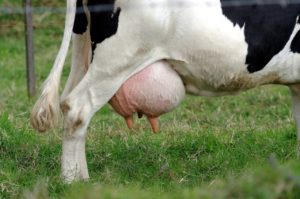
The only pro-milk argument left is, well, CHEESE! But I’m going to leave that little gem for a whole separate blog post another day. In the meantime, just look at this little cutie…

Consider the notion that you’re stealing its food because some starving Neolithic farmers got so desperate they decided to try drinking the fluid produced by the mammary glands of one of its distant ancestors.

Now, go and enjoy that cappuccino!


Vegan eats – Vegan Junk Food Bar, Amsterdam


Too many people think a vegan diet is all about deprivation.

‘Oooh, but you’ve got to eat something nice sometimes!’ a family member once said to me, under the popular misconception that my daily diet consists of a handful of mung beans, a slither of tofu and lashings of self-righteous indignation.

The truth is I LOVE food and have always enjoyed cooking. And since I changed to a plant-based diet, I’ve never cooked more or eaten better. There is a whole new world of ingredients and recipes out there to explore. If you’re a foodie it’s not limiting, it’s really, really exciting. I’d been so stuck in a culinary rut before and now I’m trying out new flavours all the time. What’s more, while I eat healthily most days, junk food is still on the menu. That’s right, folks, being vegan doesn’t mean you have to eat quinoa-based Buddha bowls every night. You can still feast on burger and chips.

As a case in point, on a recent trip to Amsterdam I sought out an eating place I’d long since read about. Vegan Junk Food Bar does what it says on the tin. It’s a plant-based fast food joint that combines fries and ethics. To say it surpassed my expectations is an understatement. It was completely and utterly amazing!

There are three branches in the city, but I went to the one on Staringplein, which is a burger bar. The menu is short and to the point: a beef style burger, a chicken style burger and a selection of fries, as well as some meat-free bitterballen, the Dutch snack that’s minced up beef in breadcrumbs and deep fried (sort of like, erm, a bovine Scotch egg without the egg, so perhaps not really like a Scotch egg at all…).

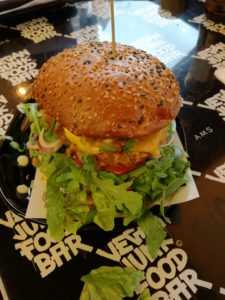
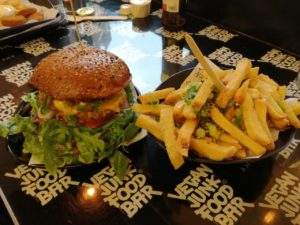
I had a Daddy McChik’n, which is basically a chicken-style burger with plenty of salad, pickles and plant-based cheddar. Now it’s a long time since I’ve had an actual chicken burger, but it was 100% delicious. I stuffed it down me so quickly my nine-year-old dining companion raised her eyebrows. I also ordered a side of fries with truffle oil and a yummy plant parmesan called ‘Parm a san’, which was made from dried onions and the terribly-named-but umami-packed Nutritional Yeast (I know, I know, it sounds awful, but it’s a store cupboard essential if you’re going animal-product-free, trust me. It provides a sort of nutty, cheesy hit). Everything was lip-smackingly good, but the mayonnaise I had on the side was literally the best egg-free mayo I’ve ever tried: rich, creamy and unctuous. Even better, because Vegan Junk Food Bar is in one of the coolest, most cosmopolitan cities in Europe, you can enjoy a beer with your burger (courtesy of some local craft brewers, natch). Here’s what the Daddy MChik’n and the side of truffle fries looked like:

The afore-mentioned nine-year-old, who is what’s known as a flexitarian (i.e. she eats veggie and/or vegan most of the time, but succumbs to the lure of a chipolata at friends’ parties), had the chik’n nuggets off the kids menu and proclaimed them far superior to the actual chicken nuggets she’d insisted in ordering at a restaurant several days before. Here they are, in all their meat-free glory.

This is exactly the place to take any sceptics who think veganism’s all about denial. It’s not! It’s about kindness, sustainability and the joy of stuffing as many chips in your gob as you can in 15 minutes. Here’s hoping Vegan Junk Food bar – and its brilliant message – comes to the UK soon.

On becoming vegan and being British (and not a millennial)

‘How do you know if someone’s vegan?’

‘Don’t worry, they’ll tell you!’

I saw this joke on a birthday card recently. I laughed so much I nearly split my hemp trousers. Because vegans, of course, are a bunch of preachy, self-righteous killjoys who love nothing more than yakking on about veganism all the time and making people feel guilty about enjoying the odd bacon sandwich. Or so the stereotype goes. Even though plant-based eating is enjoying a surge in popularity, the mainstream media and popular culture are full of this kind of stuff. In fact the adjective most often paired with the word ‘vegan’ in certain media outlets is the carefully considered ‘militant’*. Like trying to eat a more environmentally friendly diet that benefits not only animals, but also other humans and my own health makes me some kind of confrontational extremist who likes to phone up dairy farmers and scream ‘Rapist!’.

When I became vegan myself these negative associations made me more than a little worried about other people’s reactions. So I turned to vegan social media feeds, blogs and magazines for advice. The overwhelming consensus was that all new vegans will find themselves constantly fielding questions about their lifestyle choice, so to make sure to have lots of answers  ready by swotting up on the facts and figures. That way when Auntie Jean asked if I’d still refuse to eat meat if I ever found myself living a hunter gatherer lifestyle, I’d know how to respond. This is such a known thing that there’s even a game doing the rounds on social media about it. It’s called ‘Defensive Omnivore Bingo’. Vegans are to tick off a question whenever someone asks them it.

But here’s the thing. My bingo card remains unmarked. I haven’t crossed off a single thing. You see, my experience is that when people find out you’re vegan, they don’t ask you about it. And because I don’t want to be preachy, I don’t feel like I can offer up any information unasked. So we end up just not talking about it. Which means I’m left with all that information buzzing around my brain about how eating tofu could save the world for the next generation and no outlet for it (which maybe explains this blog!).

Now, I’m going to indulge in a bit of stereotyping of my own and say that I think this might be because I’m British – and also, perhaps, because I’m not a spring chicken. When we find something difficult to talk about, us mid life Brits tend avoid it. It’s perhaps why so many of us still end up talking about the weather. I think when a lot of Brits sense a conversation could be headed in what they fear might be a slightly tricky direction, they often veer away from it (I’m guilty of this myself). Unfortunately, the fact so many people think veganism is a tricky subject in the first place is all down to that misinformed stuff they’ve read or seen. And therein the British 40-something vegan paradox lies…

*Just like when vegetarianism was a relatively new thing and every time it was written about it was paired with the word ‘strict’, as in ‘Ooh, she’s a strict vegetarian.’ Which always made me wonder what a non-strict veggie looked like. Someone who intermittently broke up a diet of nut roasts and mung beans with the odd dish of braised liver?

On eating only plants

Two years ago I decided only to eat plants. Yes, that’s right, I became one of those pesky vegans. Contrary to popular opinion, I didn’t do it because I wanted to make people feel guilty about ordering a cappuccino or to drive my mother-in-law crazy about what to serve me for lunch. I didn’t even do it to assuage my concerns about animal welfare.* No, I was motivated first and foremost by the environment.

As a mum – and a member of the human race generally – I’m pretty keen for our species to survive. I mean, ideally I’d like us to flourish – you know, come to our senses, get rid of the numpties currently in charge, start being nice to each other, discover more about this weird and amazing universe we find ourselves in and, potentially, even colonise it. But I’ll settle for us just existing.

Sadly, all the scientific evidence suggests that we’re pretty much doomed, unless we ditch the meat and dairy. It’s one of those annoyingly inconvenient truths. Your burger and your latte are destroying the environment.

It’s quite simple, really. Animals require lots more land and water to farm than plants. When you farm animals you need both land for them and land on which to grow their feed. On a small planet with nearly eight billion people that’s not a good look. Much deforestation is due to people clearing land to farm animals, particularly cattle. What’s more, the millions of tonnes of methane that animals, like cows, release into the atmosphere makes animal agriculture even more toxic.

As one University of Oxford academic has pointed out, if we all turned vegan, we could drastically cut greenhouse gas emissions.

A few facts:

  • Globally, 18% of the dangerous greenhouse gases driving climate change come from animal agriculture. This is more than all emissions from transport combined. Emissions from the world’s cars, planes, boats and trains are less than those created by rearing animals for food (see this seminal United Nations report for details).
  • Livestock farming creates 37 % of all human-induced methane emissions. Methane is at least 20 times more potent than carbon dioxide (CO2) and so 20 times more dangerous for our climate. (Hey, I thought cow farts were funny too, until I read this Intergovernmental Panel on Climate Change report and realised they could be the reason the world doesn’t meet the Paris Agreement targets).
  • The World Bank estimates that 91% of Amazonian deforestation is due to animal agriculture. Yup, it’s good to donate to celeb-fronted rainforest charities, but you could also swap that steak for a chickpea burger.

We might live in a world in which those in charge don’t listen to experts. But, when it comes to animal agriculture and the climate, the experts are telling us the same things. Over and over and over. Personally, I’d never, ever thought I’d go vegan. But once I knew the facts, it became the obvious thing to do. I didn’t want my daughter thinking I’d chosen a cheese sandwich over her future.

(*But the more I learn about the cruelty of modern animal farming**, the more I’m glad I don’t support it.

**And yes, sorry, this includes dairy farming.)


Healthy Ice Cream No Longer Oxymoronic

That Dot is over-the-moon to have worked with deliciously healthy vegan ice cream brand Frill to produce some press materials for an event, as well as advising on media relations and compiling an extensive press list. Completely free from sugar, dairy, eggs, gluten, artificial additives and sweeteners, Frill is the Holy Grail of foodstuffs: ice cream that is actually good for you (and tastes amazing!). Welcome to the future!